About
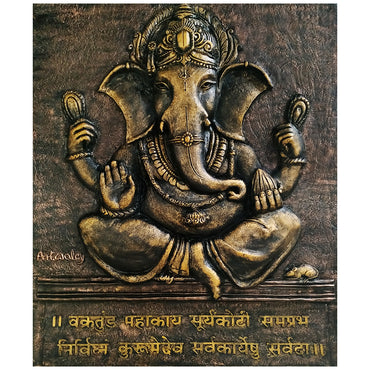
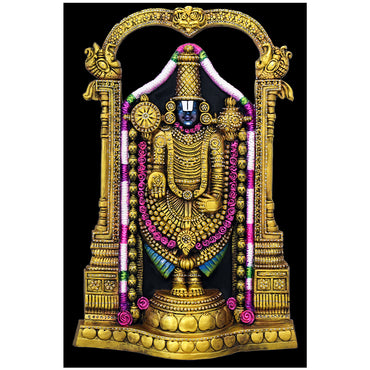
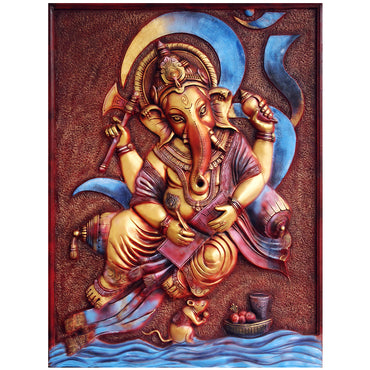
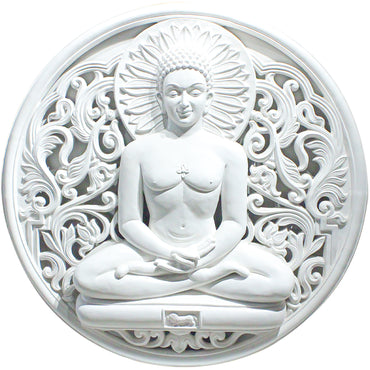
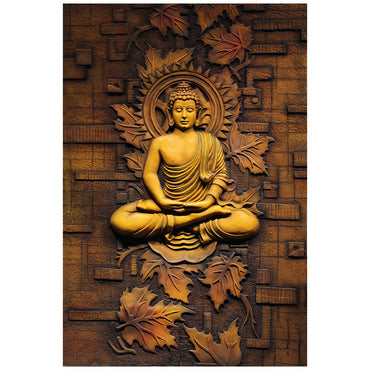
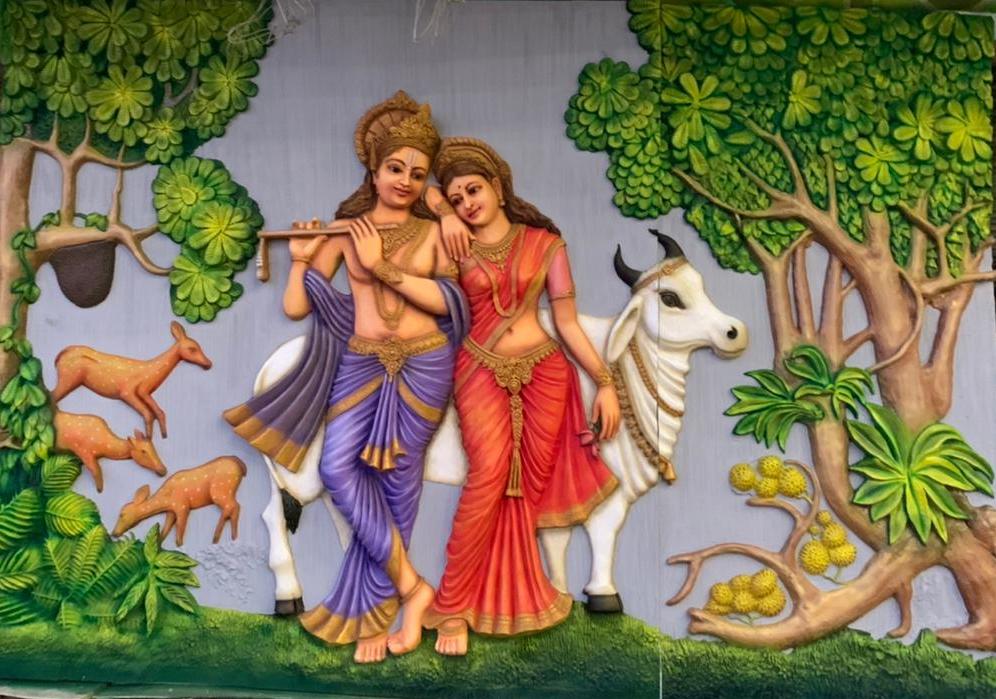
Religious murals are large-scale artworks found on the walls of places of worship like churches, temples, and mosques. These murals often depict sacred stories, figures, and symbols central to religious beliefs, serving both as a form of devotion and a means to teach spiritual lessons. Typically, they use rich symbolism, such as halos to represent holiness, and frequently narrate important scenes from religious texts, like stories from the Bible, Quran, or Buddhist scriptures. The style of these murals is influenced by the culture and era in which they were created, with examples ranging from the gold-embellished iconography of Byzantine churches to the vivid depictions of the Buddha’s life in Southeast Asian temples. Common techniques include fresco painting, where pigments are applied to wet plaster, or creating mosaics from colored stones and glass. These murals hold historical and cultural significance, reflecting the values and aesthetics of the communities that created them.
The Mission
Religious murals serve several important missions, blending artistic expression with spiritual purpose. They often function as tools for teaching and instruction, visually depicting scenes from sacred texts, the lives of saints, and moral lessons. This makes complex religious narratives accessible to people, especially in communities with low literacy rates. Additionally, murals provide an environment for spiritual reflection and meditation, guiding believers toward deeper contemplation and prayer through symbolic imagery. These artworks also play a role in fostering a sense of community and shared belief, reinforcing the cultural and religious identity of those who worship in spaces adorned with such murals. Beyond their instructional and spiritual functions, religious murals often stand as testaments to faith, preserving and celebrating religious traditions across generations.